Pico Laser Guide Gangnam, Seoul
Pico laser is a picosecond pigment treatment that fires ultrashort pulses to shatter melanin mainly by a photoacoustic shockwave — not by heat alone — fragmenting pigment into finer particles the body clears — with the pigment type diagnosed first, just steps from Gangnam Station in Seoul.
Pico Laser
Pico Laser
Pico Laser · Gangnam Seoul
Pico laser is a picosecond pigment treatment that fires ultrashort pulses to shatter melanin mainly by a photoacoustic shockwave — not by heat alone — fragmenting pigment into finer particles the body clears — with the pigment type diagnosed first, just steps from Gangnam Station in Seoul.

Across RE:BERRY Clinics
30,000+ Treatments
Direct Consult & Treatment
Medical Director
Minutes from ICN Airport
Incheon AirportWhat is a pico laser, and what does it actually do to pigment?
A pico (picosecond) laser fires ultrashort pulses measured in trillionths of a second, which shatter pigment mainly by a photoacoustic shockwave, with heat playing only a secondary role — so it fragments melanin into finer particles the body clears more easily, with less surrounding thermal injury. At RE:BERRY Gangnam it is used for sun spots, uneven tone, and gentle Pigment Laser Toning at ₩300,000 ($214 USD), while melasma and darker skin are approached cautiously because pigment can recur or a laser can provoke post-inflammatory hyperpigmentation. The physician diagnoses your pigment type first, then chooses whether — and in which mode — a laser is even appropriate.
Effects & Progress
Effects & Progress
Picosecond pulses shatter pigment largely by a photoacoustic shockwave, not heat alone, so melanin fragments into finer particles the body clears while surrounding skin absorbs less thermal injury.
Mild pinkness after a gentle toning pass settles within hours; after a spot treatment, treated lesions may look slightly darker or form a fine crust. Strict daily sun protection begins immediately.
Any crusting on treated spots lifts on its own over one to two weeks — picking is avoided. A single toning pass gives a subtle brightening rather than a dramatic change.
Toning and melasma work are planned as a spaced series, with the physician setting the interval so skin recovers fully between sessions. Tone and clarity improve gradually across the series.
Maintenance period. Melasma in particular may partially recur and can need ongoing care; sun discipline determines how long any result holds. RE:BERRY guides the interval that suits your skin.
Treatment Process
Pico Laser — 4 Steps from Pigment Diagnosis to Aftercare
※ Illustrative images are AI-generated to help explain the treatment process.Effects & Progress
Effects & Progress
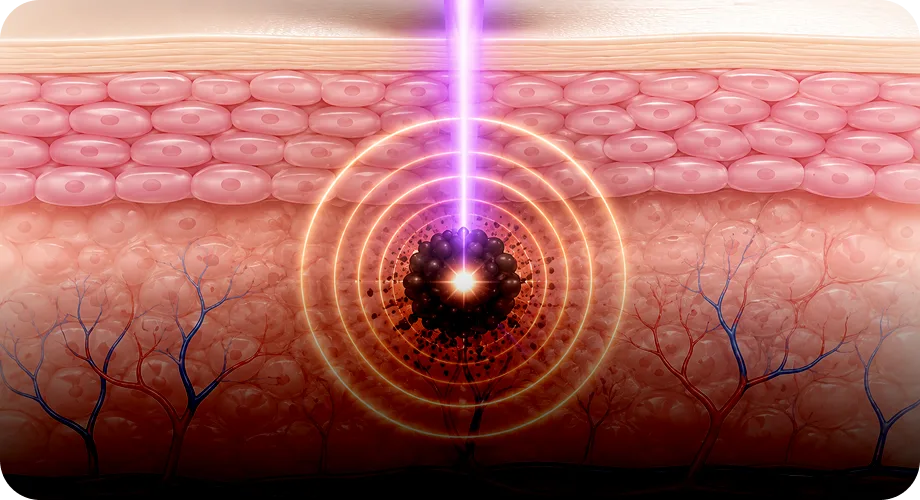
The defining feature of a pico laser is pulse duration: by delivering energy in trillionths of a second, it acts largely photoacoustically — a mechanical shockwave that fractures pigment — with little reliance on absorbed heat. Melanin breaks into finer particles the body can clear, and because less energy spreads as heat, surrounding skin absorbs less thermal injury than with an older nanosecond device. That physics is why pico is favored for careful pigment work.

Not all pigment responds the same way. Epidermal pigment — sun spots, freckles, and general surface dullness — sits where laser pigment work is most predictable, so discrete lesions are treated with a focused spot setting. Diffuse tone and early melasma sit deeper or are more diffuse, so they are approached with a low-fluence toning pass spread across the area. The physician maps which pigment is which, because matching mode to target is what makes the treatment safe and effective.
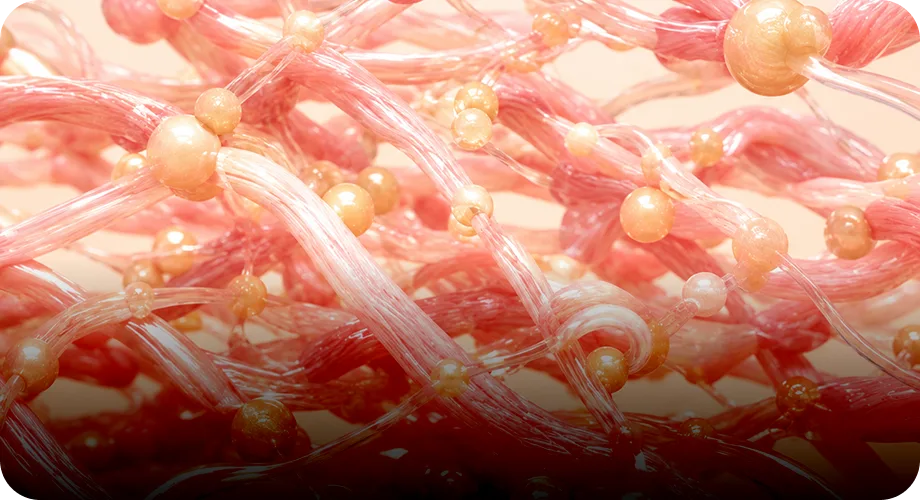
Melasma is where caution matters most. It is a chronic, relapse-prone condition, and an aggressive laser can darken it instead of clearing it. Pico toning can help lighten melasma as part of a plan, but it cannot be promised as a cure — the realistic framing is lightening and maintenance, not erasure. That is why melasma is treated with low energy, kept especially conservative on Fitzpatrick III-V skin, and always paired with strict daily sun protection, and why the physician sometimes recommends starting without a laser at all.

Pigment care is a plan, not a single event. The physician diagnoses the pigment type before choosing any laser mode, then keeps energy conservative on reactive or darker skin, spaces sessions so the skin recovers fully between them, and reads each response before setting the next pass. The same physician who diagnoses your pigment plans the series, delivers each pass, and reviews your result — continuity that matters more for pigment than for many treatments, because safely setting each session depends on how the last one healed.
Treatment Process
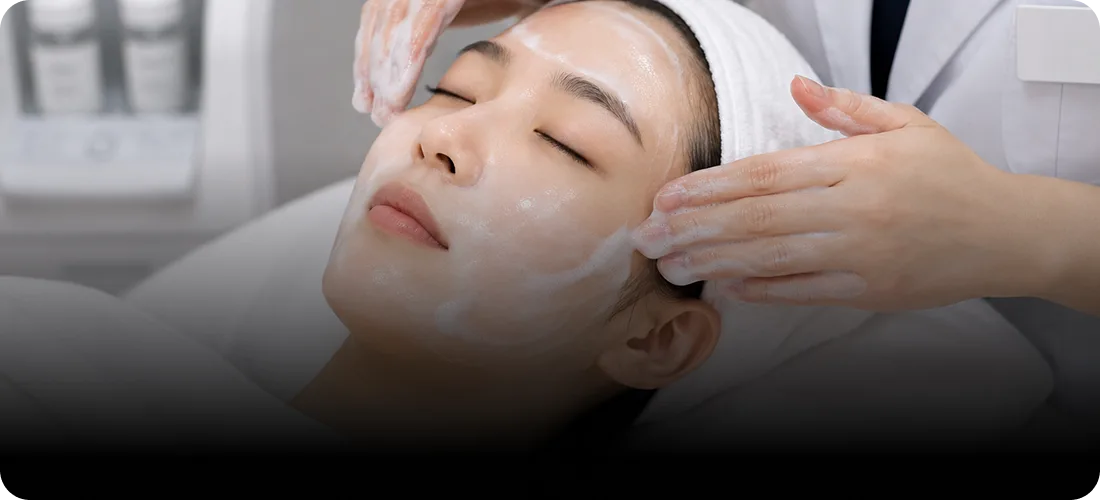
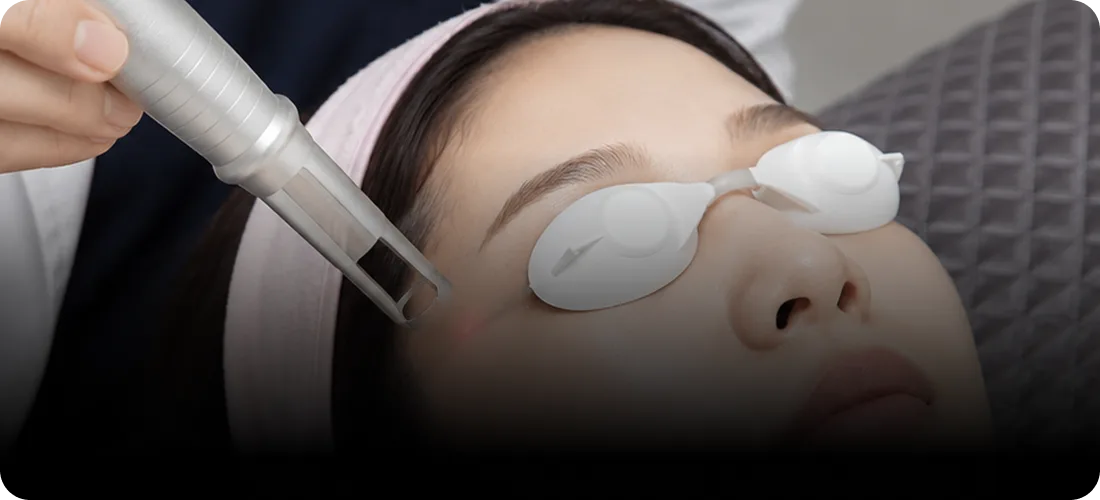
Pico Laser — 4 Steps from Pigment Diagnosis to Aftercare
※ Illustrative images are AI-generated to help explain the treatment process.
What a Pico Laser Can and Cannot Promise — and How Tone Change Builds
- Photoacoustic pigment breakdown: picosecond pulses shatter melanin largely by a mechanical shockwave instead of heat alone, so pigment fragments into finer particles the body clears while surrounding skin absorbs less thermal injury
- Well-suited to epidermal pigment: sun spots, freckles, and general dullness or uneven tone respond most predictably, which is why RE:BERRY Gangnam's ₩300,000 ($214 USD) Pigment Laser Toning is framed around tone and clarity, not miracle spot removal
- Toning versus spot modes: diffuse pigment is treated with gentle low-fluence toning spread across the area, while discrete lesions get a focused spot setting — two different jobs the physician matches to your pigment map
- Melasma handled candidly: pico can help lighten melasma as part of a plan, but it cannot be promised as a cure — melasma is chronic, can recur, and is easily aggravated, so it is treated conservatively and paired with sun protection
- Darker-skin caution built in: on Fitzpatrick III-V skin the risk of post-inflammatory hyperpigmentation is taken seriously, so energy is kept conservative and the physician may recommend fewer, gentler passes over time
- Same physician who diagnoses your pigment type plans and delivers each session and reads your review — your pico laser case in Gangnam is never handed off mid-course, and the plan is adjusted to how your skin actually responds
| Timeline | What to Expect |
|---|---|
| After a spot treatment, treated sun spots may look slightly darker or form a fine crust; after a gentle toning pass, mild pinkness settles within hours and daily life resumes with strict sun protection | |
| Any crusting on treated spots lifts on its own — picking is avoided — while a single toning pass gives a subtle brightening, not a dramatic change | |
| Toning and melasma work are planned as a spaced series — never one pass — with the physician setting the interval so the skin recovers fully between sessions | |
| Tone and clarity improve gradually across the series; melasma in particular may need maintenance because it can partially recur, and sun discipline determines how long any result holds |
Pico vs Q-Switched vs Fractional Mode — Laser Physics for Pigment, Compared
| Criteria | Pico (Picosecond) | Q-Switched (Nanosecond) | Fractional Mode |
|---|---|---|---|
| Pulse duration | Picoseconds — trillionths of a second | Nanoseconds — billionths of a second | Longer thermal pulses in microscopic columns |
| Primary mechanism | Photoacoustic — a mechanical shockwave shatters pigment | Photothermal — heat absorbed by pigment fragments it | Photothermal — controlled micro-injury columns spare skin between them |
| Main target | Melanin and tattoo ink, broken into finer particles | Melanin and tattoo ink, broken into coarser particles | Texture, pores, and pigment via fractional resurfacing |
| Thermal spread to nearby skin | Lower — very short pulse limits heat diffusion | Higher relative to picosecond pulses | Concentrated in columns, surrounding tissue spared |
| Typical pigment use | Sun spots, tone, gentle toning, cautious melasma | Sun spots, deeper pigment, tattoo | Textural pigment, scarring, general resurfacing |
| Sessions | Usually a spaced series for toning and melasma | Usually a spaced series | Usually a spaced series |
| Downtime pattern | Minimal for toning; fine crust possible on spots | Minimal to mild; crust possible on spots | More — pinkness and flaking as columns heal |
| Darker-skin consideration | Conservative energy to limit post-inflammatory pigment | Care needed; heat can provoke pigment | Care needed; more inflammatory by design |
Why This Matters
The core difference is pulse duration and how energy is delivered. A picosecond laser is so brief that it acts largely photoacoustically — a shockwave that mechanically fractures pigment — while a Q-switched nanosecond laser leans more photothermal, using absorbed heat to break pigment into coarser fragments. A fractional mode is a different job entirely: it places controlled columns of thermal injury to resurface texture and pigment while sparing skin between the columns. These are not interchangeable, so the physician at RE:BERRY Gangnam chooses the mode from your diagnosed pigment type, not from a menu.
Pigment work punishes discontinuity: whether your skin lightened, darkened, or crusted after the last pass is the data that safely sets the next one. International patients seem to sense this — when KHIDI surveyed them in 2025, 41.4% named keeping one doctor throughout as their top selection criterion. RE:BERRY is built that way by default: the physician who diagnoses your pigment plans the series, delivers every pass, and reads each response personally.
For melasma especially, mode selection is a caution, not a promise. Melasma is a chronic, easily aggravated condition: an aggressive laser can darken it, so pico toning is used gently, kept conservative on Fitzpatrick III-V skin, and paired with strict sun protection. The candid framing is lightening and maintenance, not a cure — and sometimes the physician recommends starting without a laser at all.
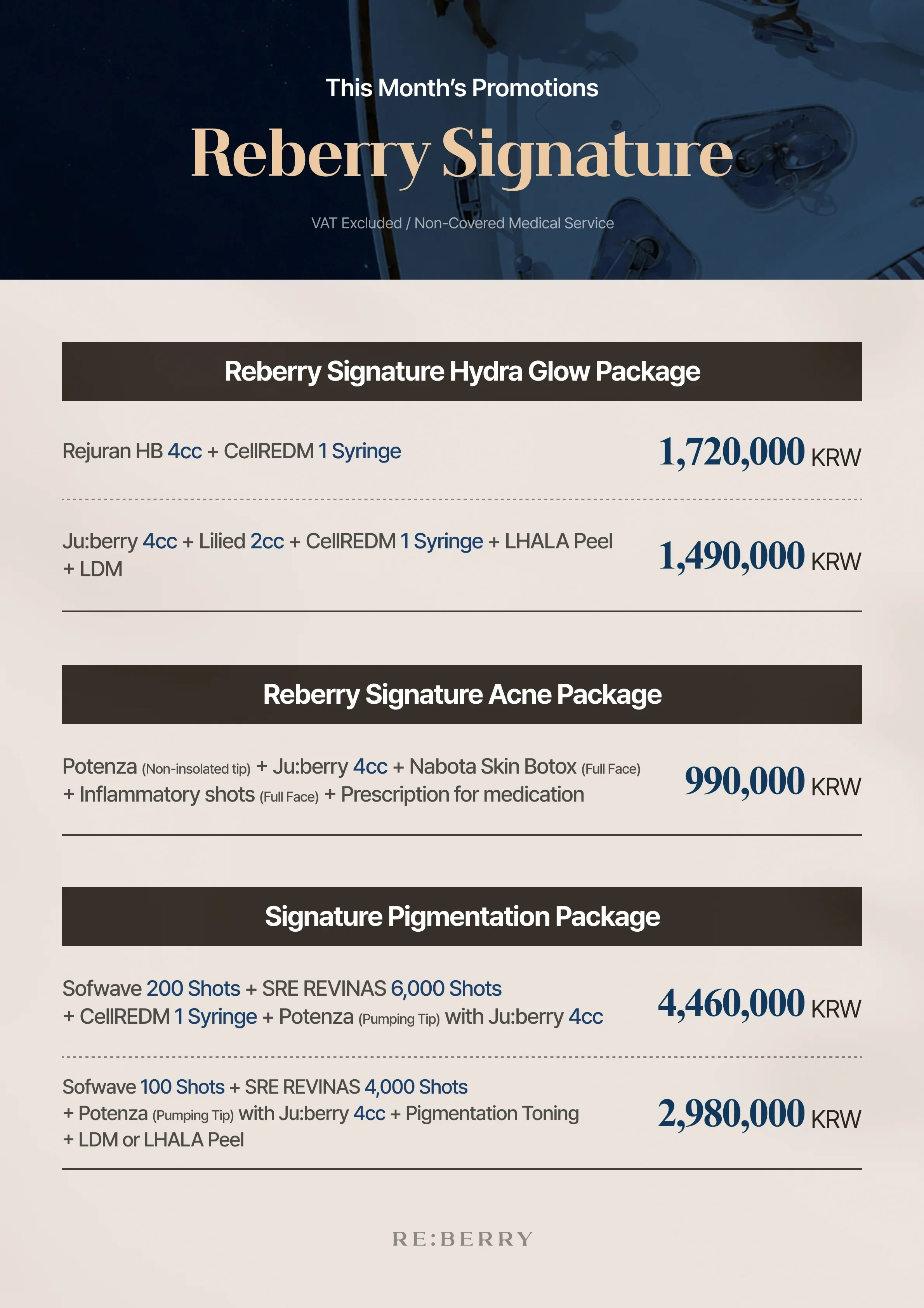
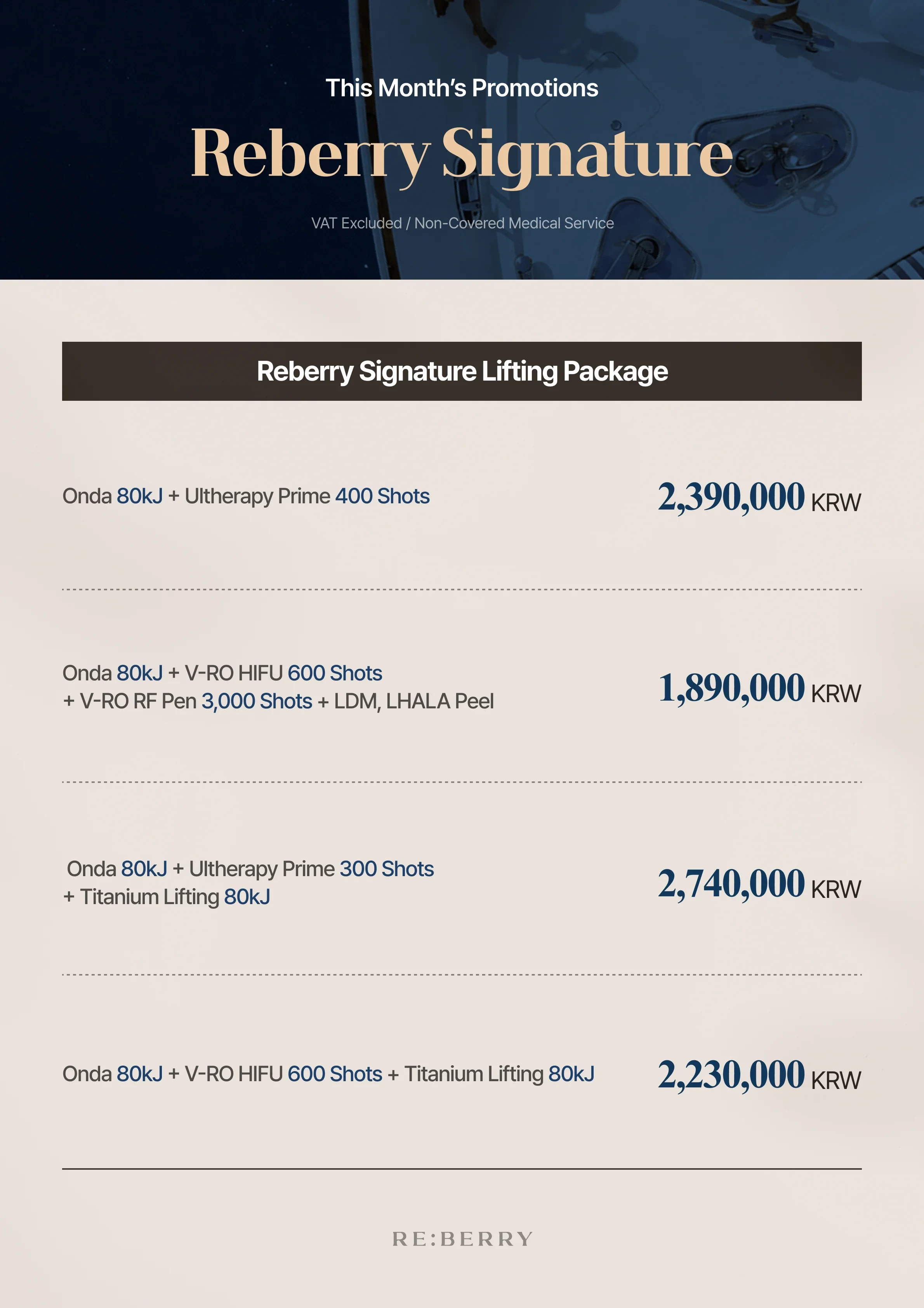
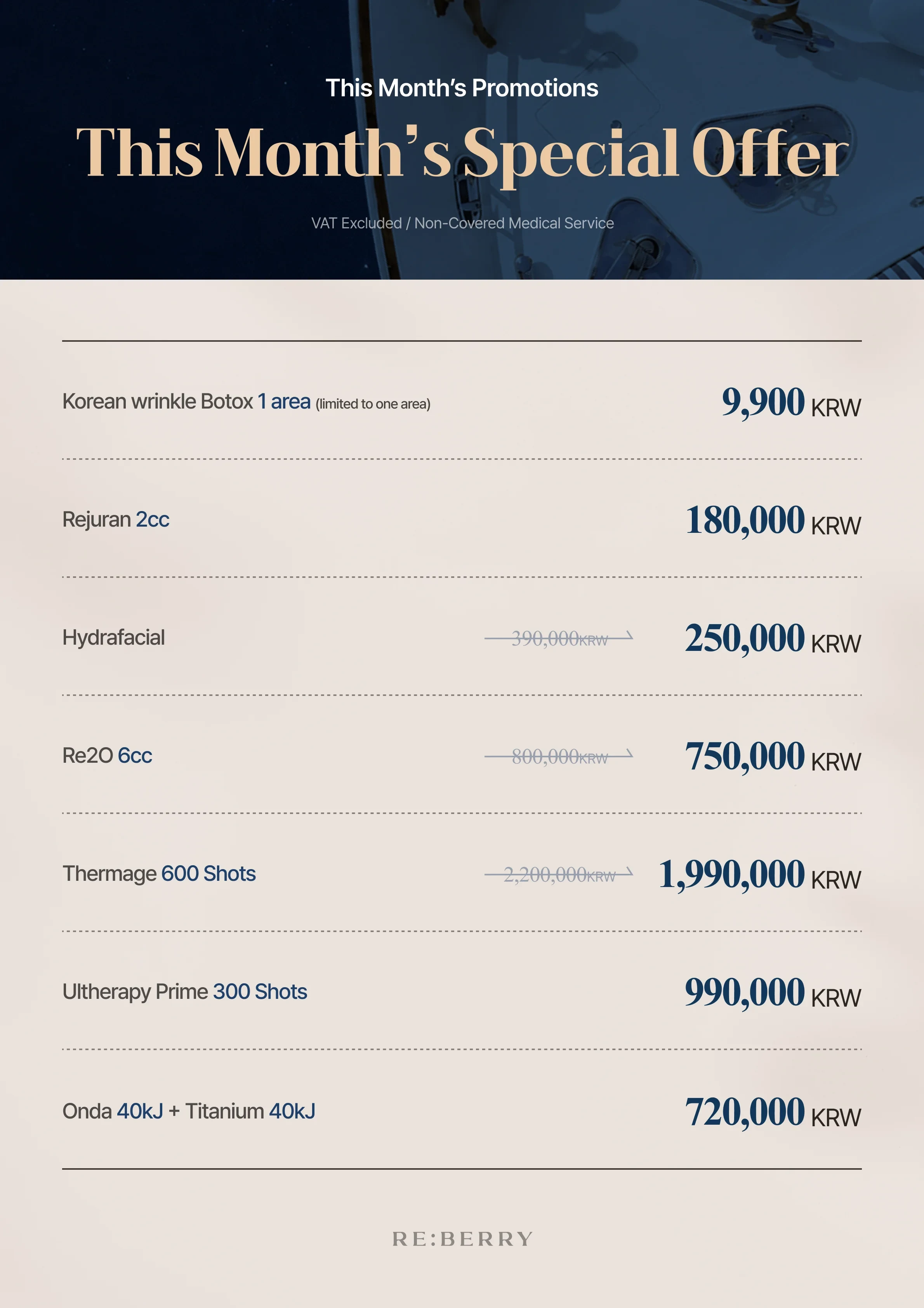
October–December 2026 Promotions
Exclusive packages for international patients. Swipe to see all offers.

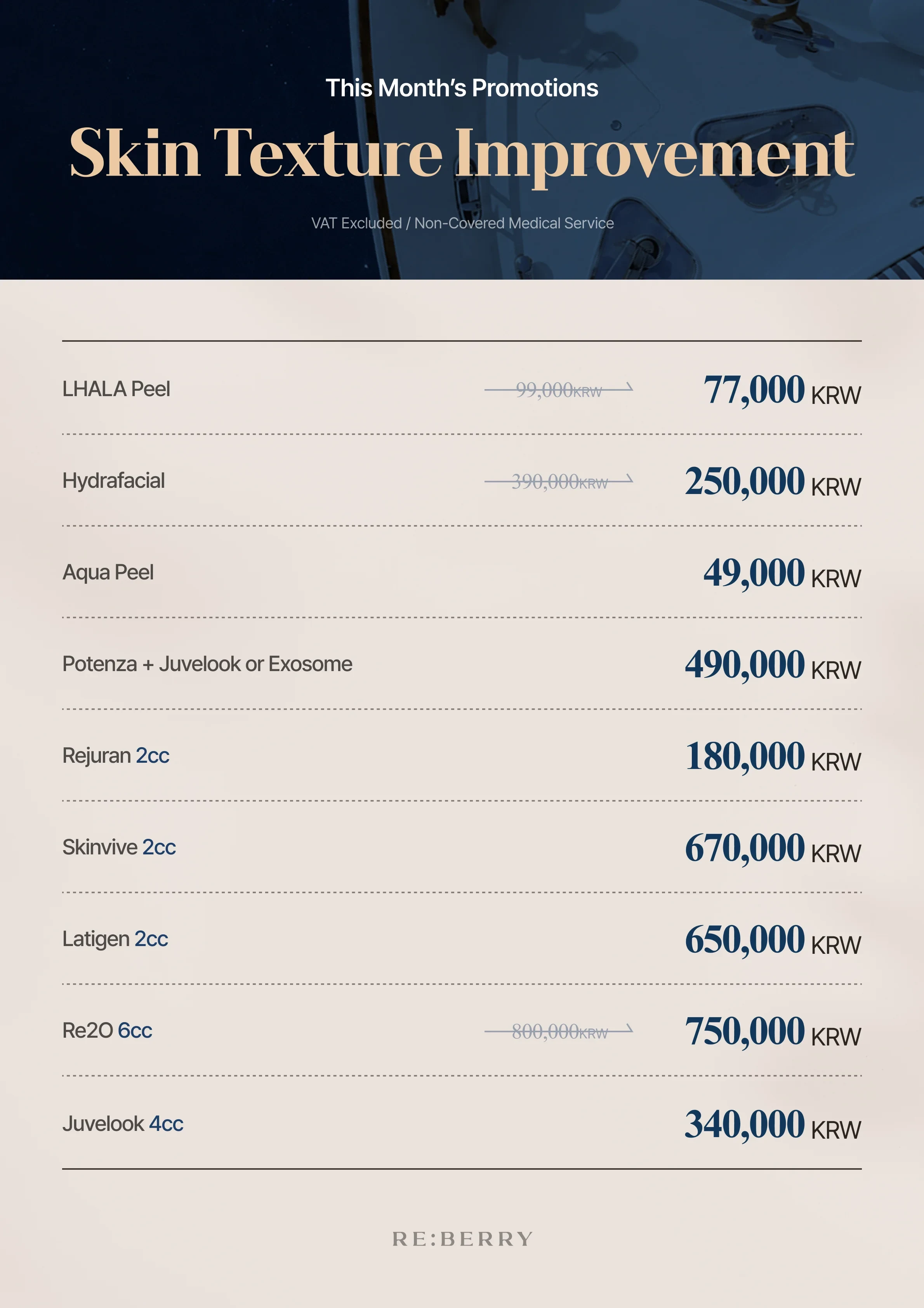
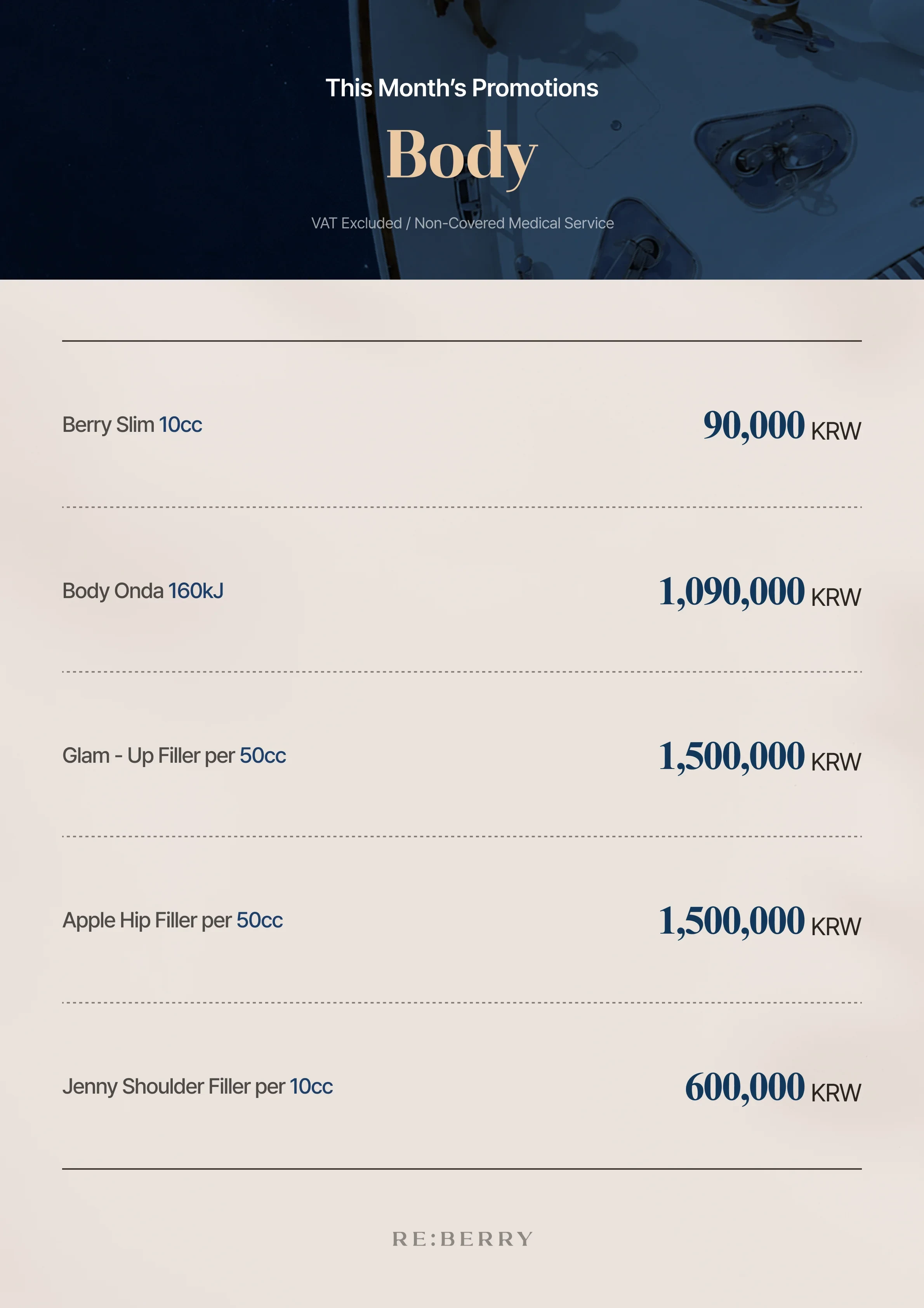
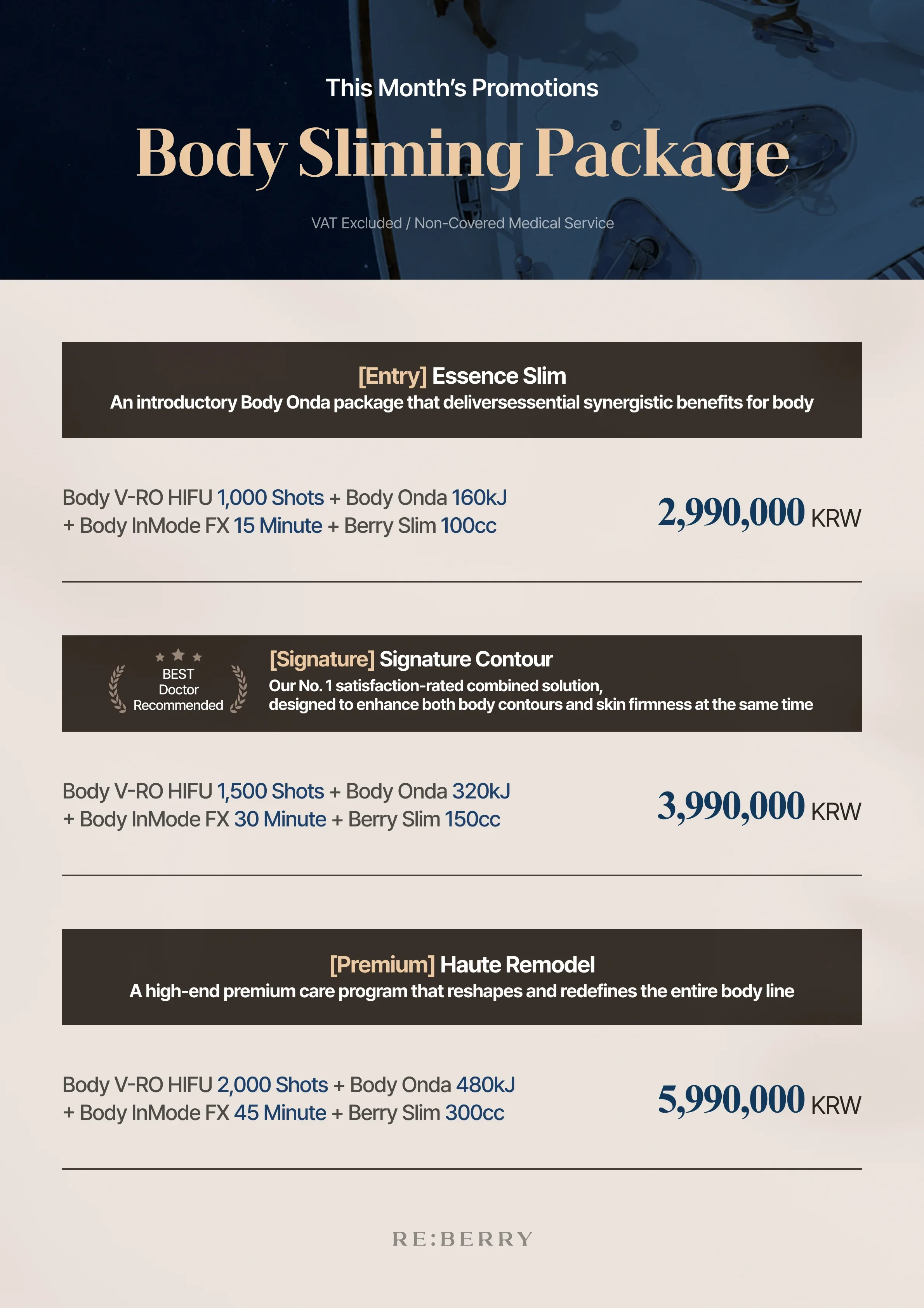
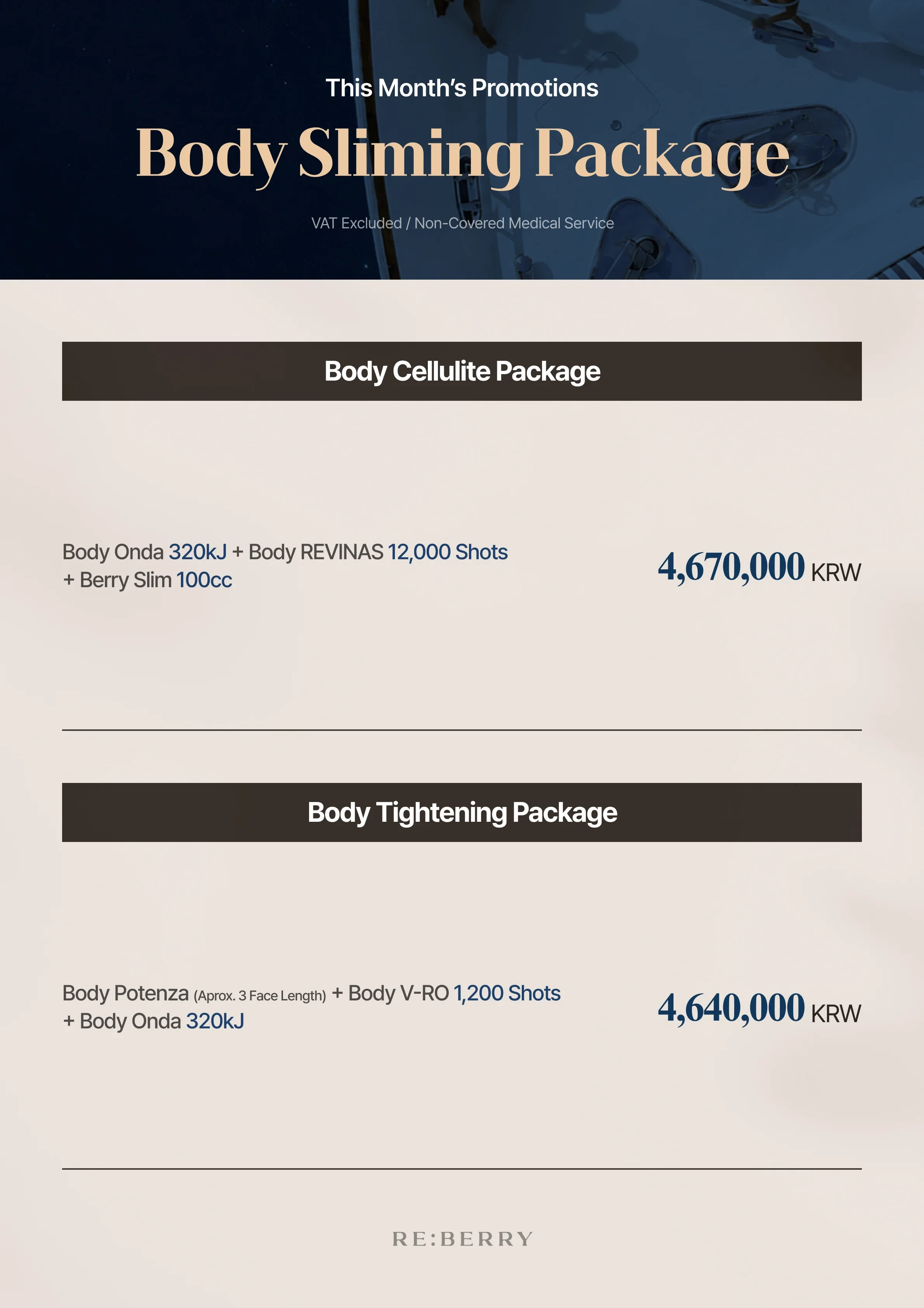
![RE:BERRY Gangnam Page 10 — Body Slimming Package: [Entry] Essence Slim, an introductory Body Onda package that delivers essential synergistic benefits for body shaping and contouring: Body V-RO HIFU 1,000 Shots + Body Onda 160kJ + Body InMode FX 15 Minute + Berry Slim 100cc ₩2,990,000 · [BEST · Doctor Recommended] Signature Contour, our No. 1 satisfaction-rated combined solution, designed to enhance both body contours and skin firmness at the same time: Body V-RO HIFU 1,500 Shots + Body Onda 320kJ + Body InMode FX 30 Minute + Berry Slim 150cc ₩3,990,000 · VAT excluded](https://cdn-gangnamaes.pages.dev/gangnam/promotion/en/gangnam-event-en-10.webp)
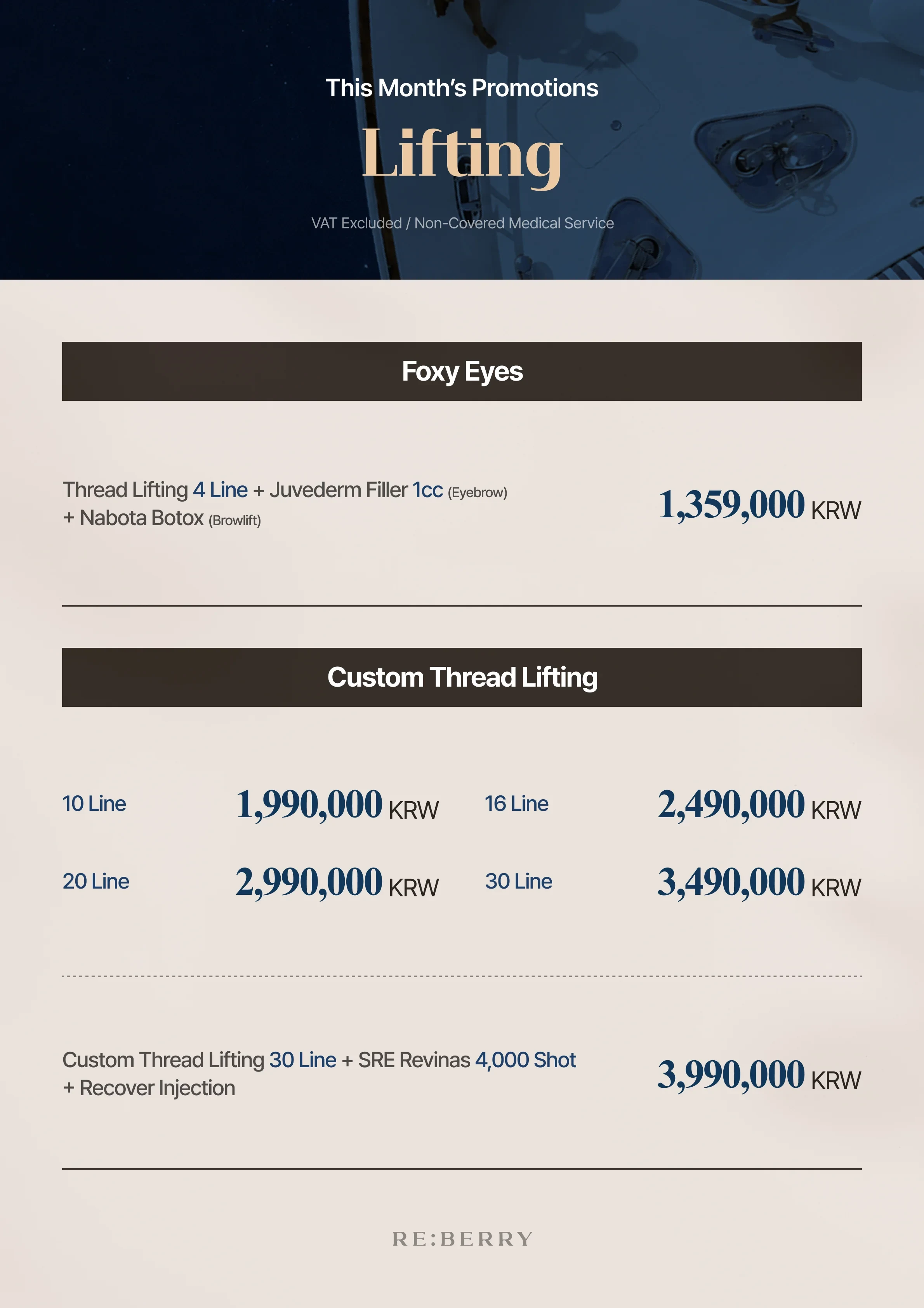
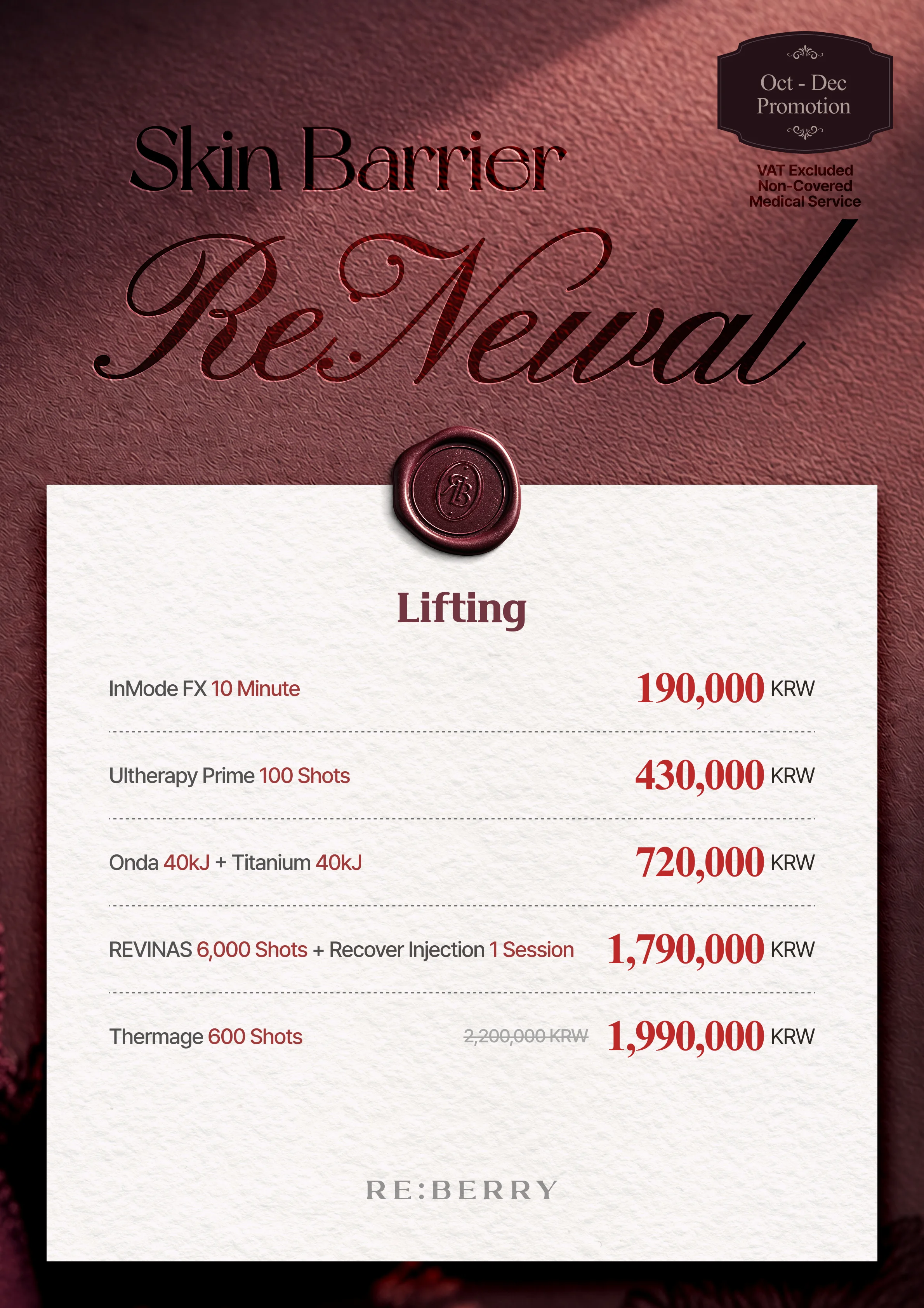
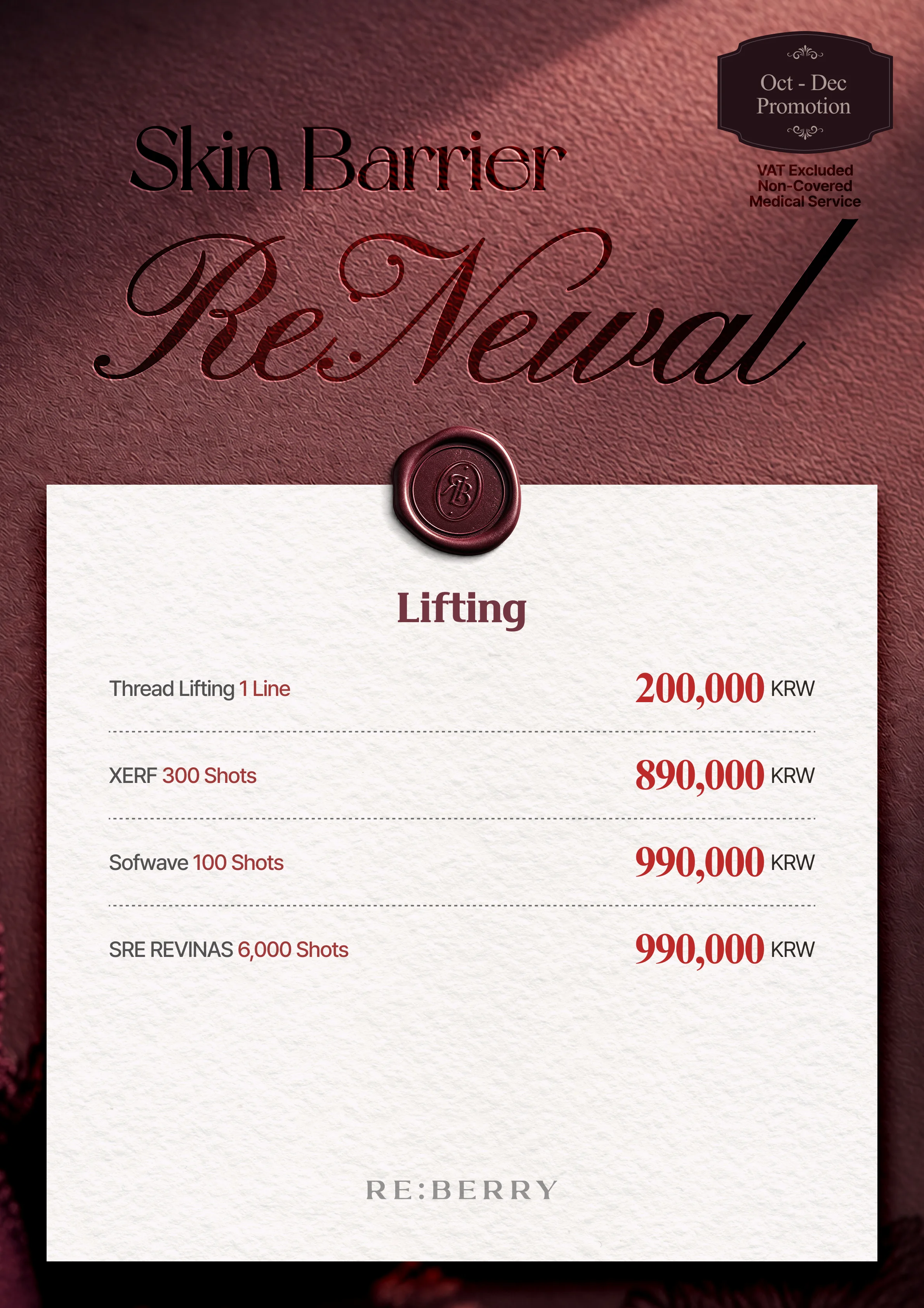
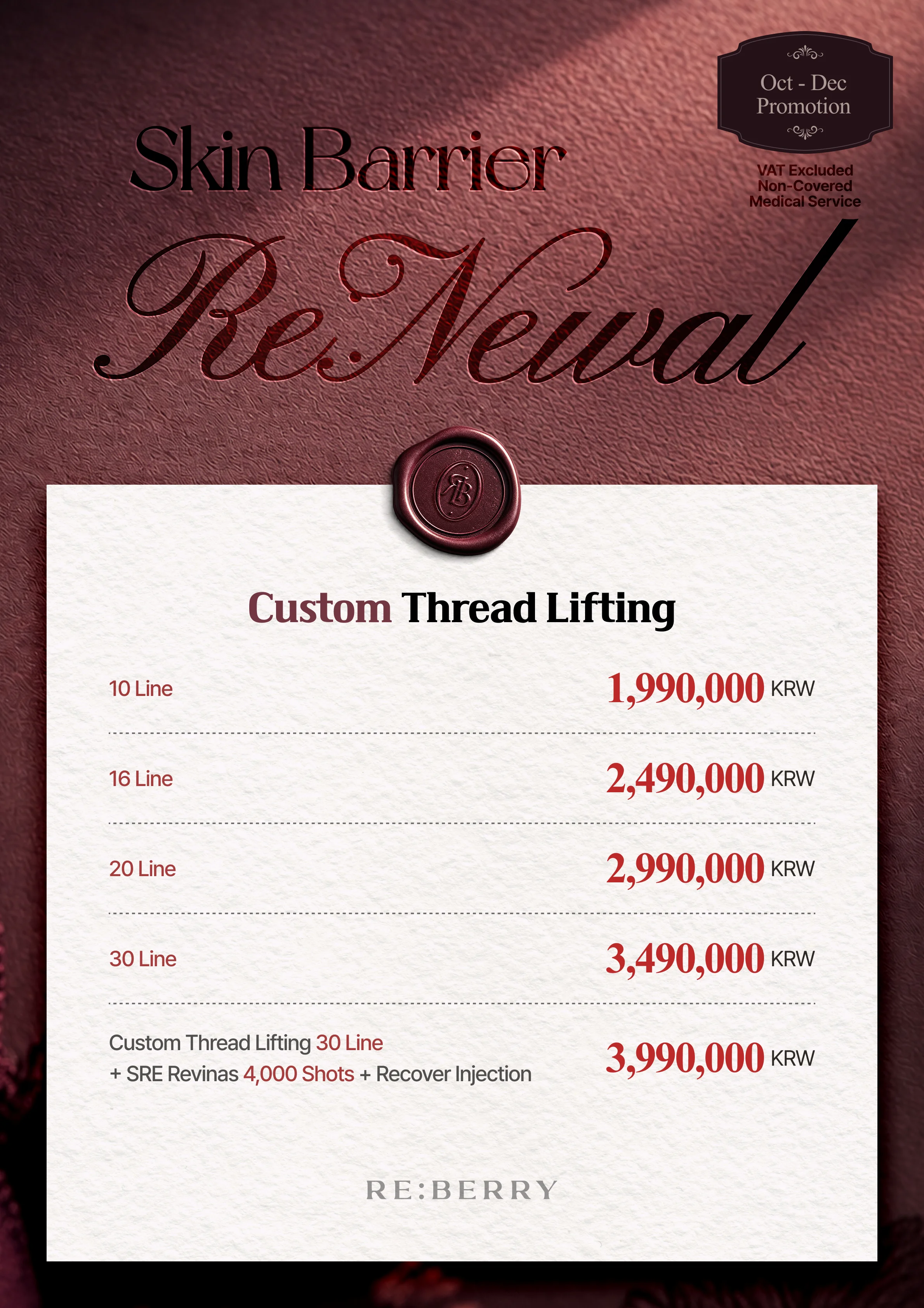
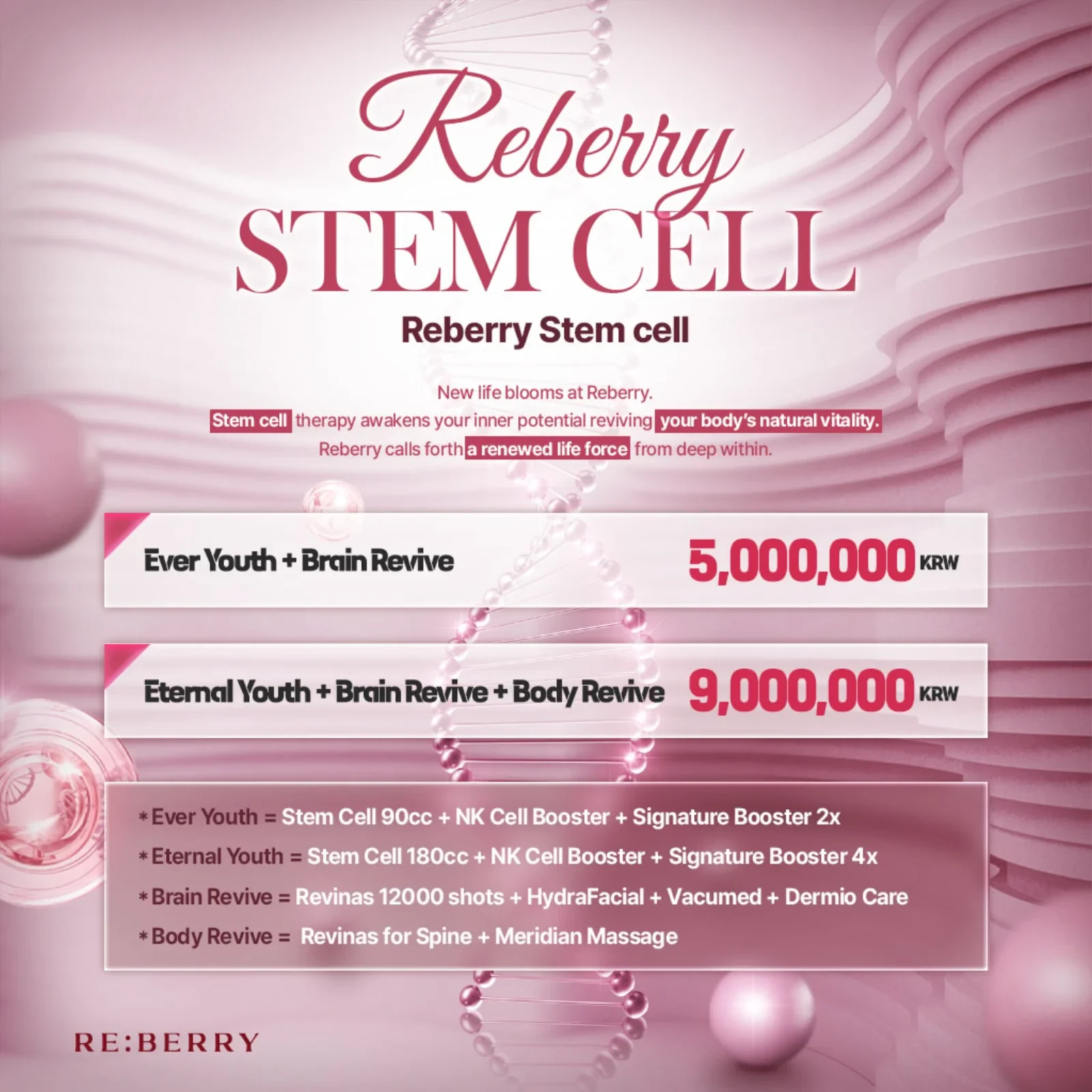
Published Pico Toning Price in Gangnam (Regular Rate, VAT Included)
Your Medical Director
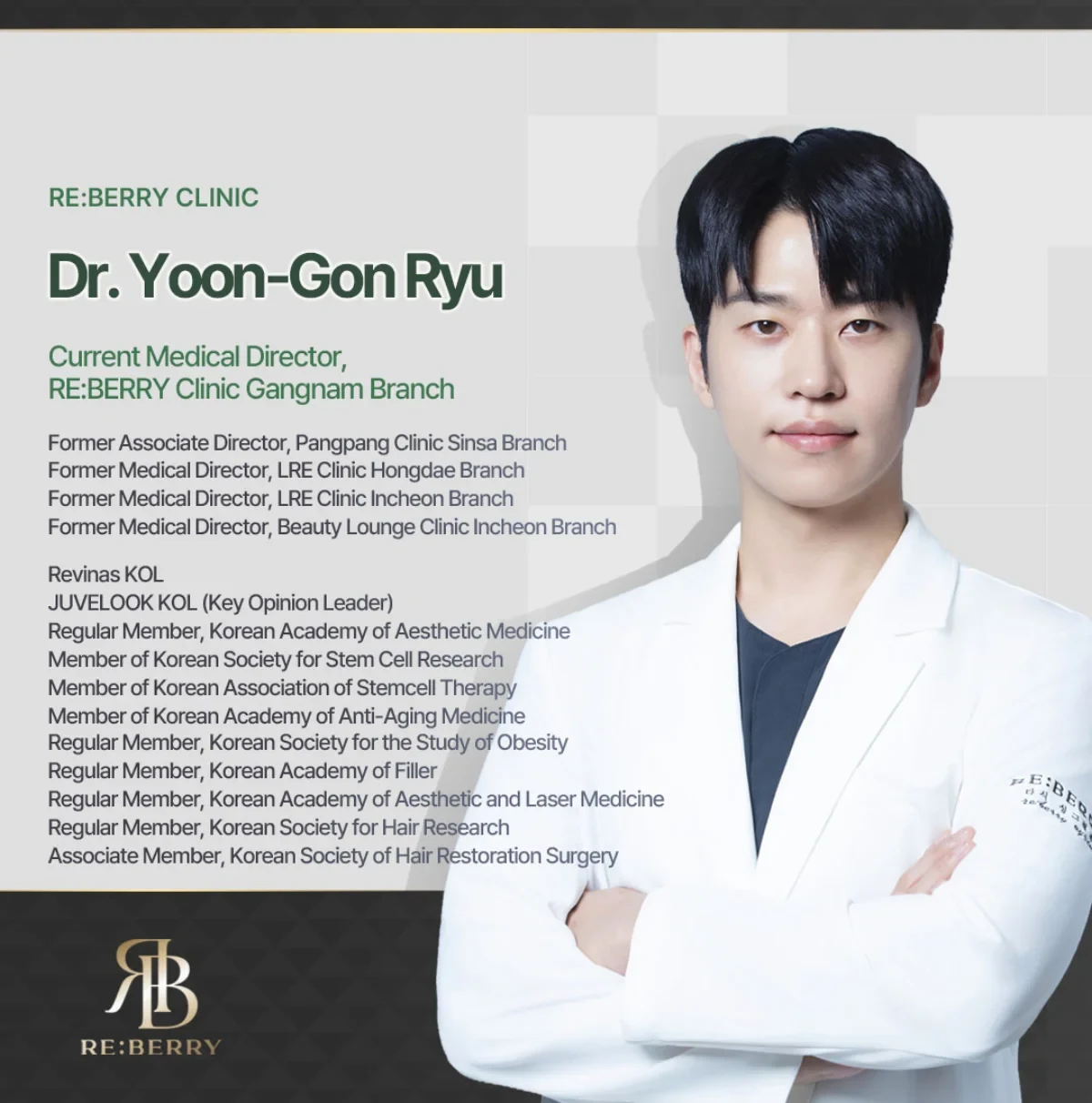
Dr. Yoon-Gon Ryu
- Medical Director, RE:BERRY Aesthetic Clinic Gangnam — Korean MOHW Medical License No.131644
- Manufacturer-appointed KOL invited to teach injection and energy-device technique to Korean peers
- Regular Member, Korean Academy of Aesthetic Medicine
- Co-manages every case with Dr. Yejin Oh (Korean MOHW Medical License No.144238)
- Featured in Authority Magazine (2026)


Medically reviewed by Dr. Yoon-Gon Ryu, CEO / Medical Director, RE:BERRY
A Fourteen-Thousand-Square-Foot Hush Above Gangnam-daero
Step past the black gallery facade and the bustle of Gangnam-daero falls away. Fourteen thousand square feet of hushed corridors, marble installations, a cascading water feature and fully enclosed consultation suites — arranged so you rarely cross paths with another guest, because our reservation-only diary keeps every hour deliberately underbooked.
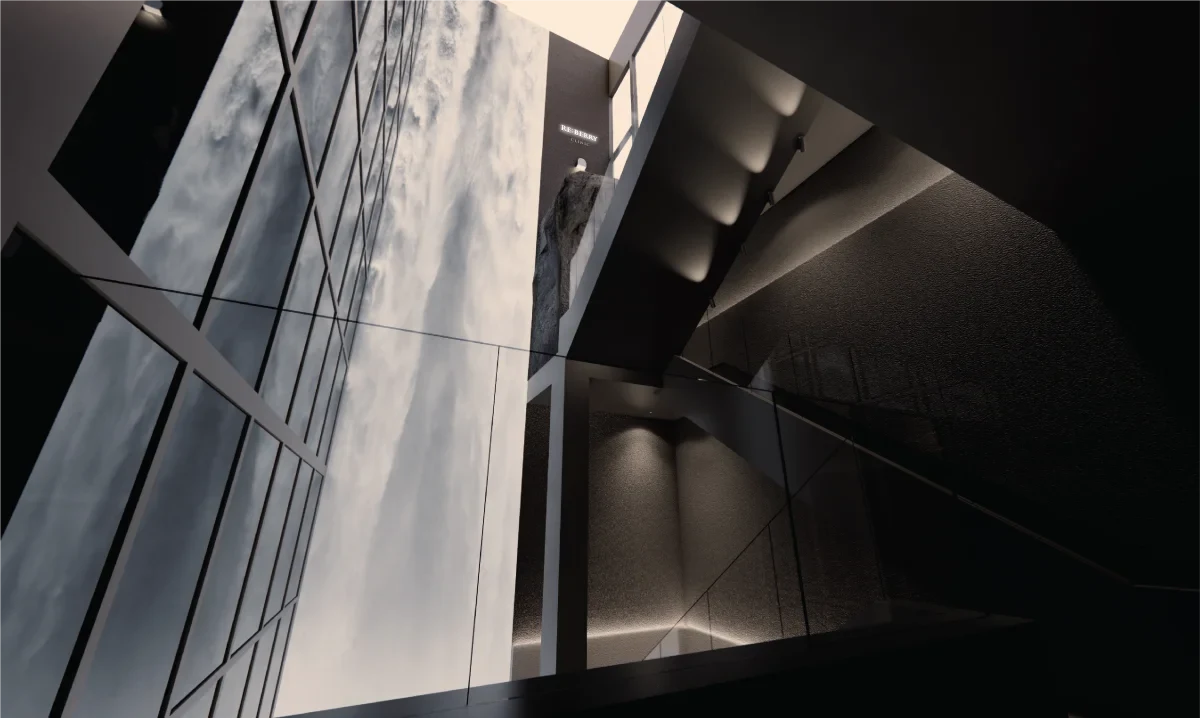
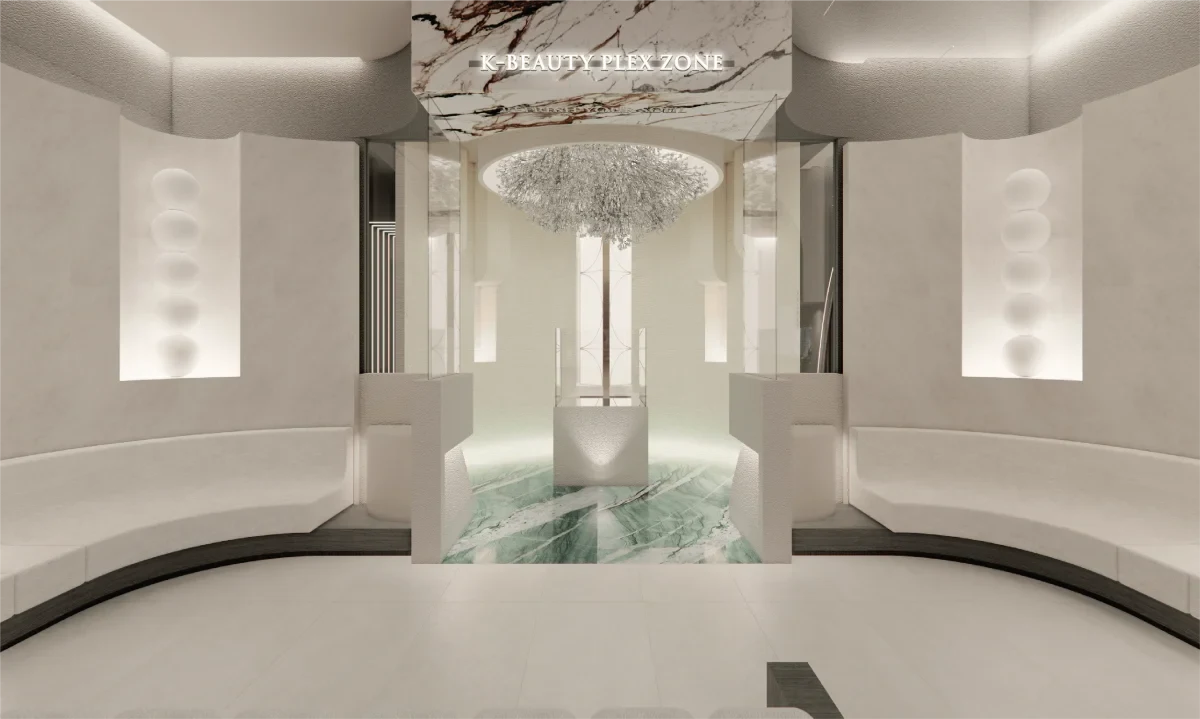
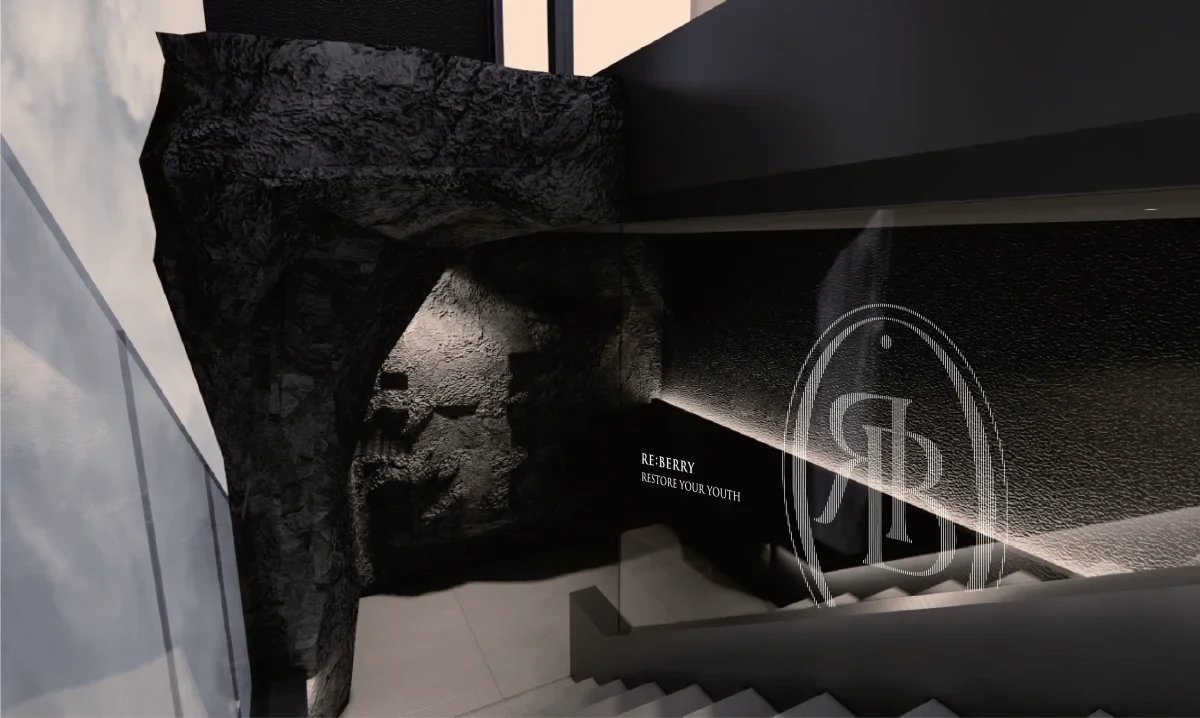
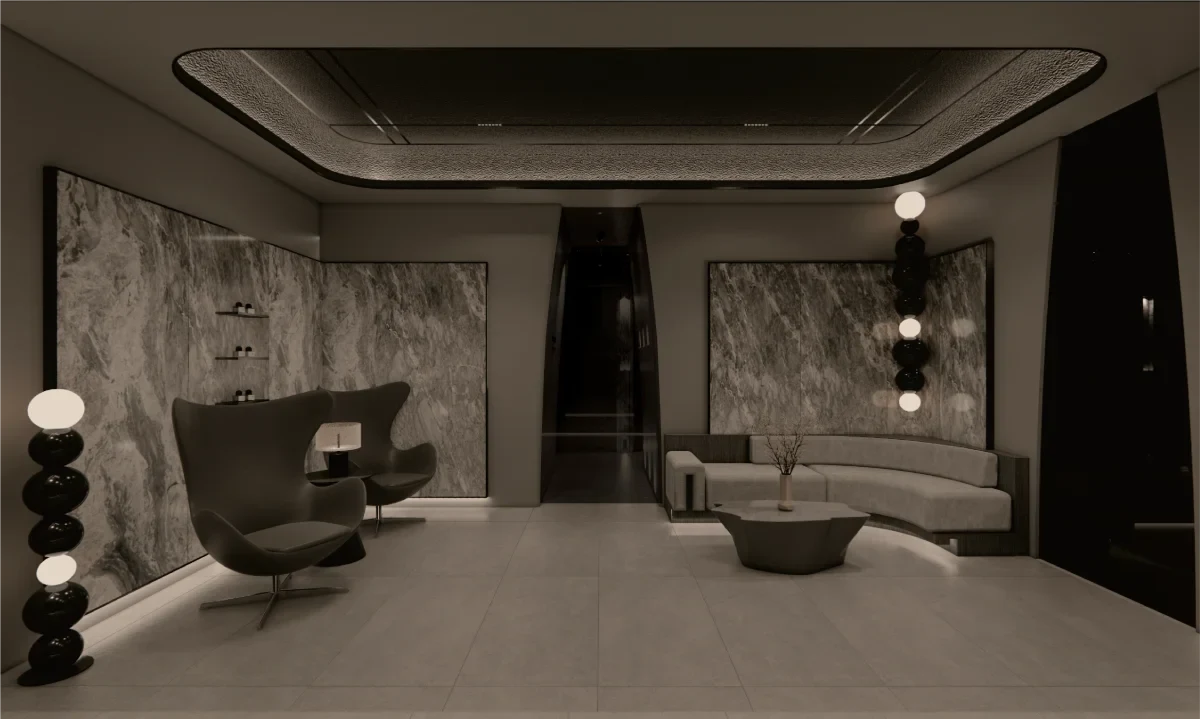
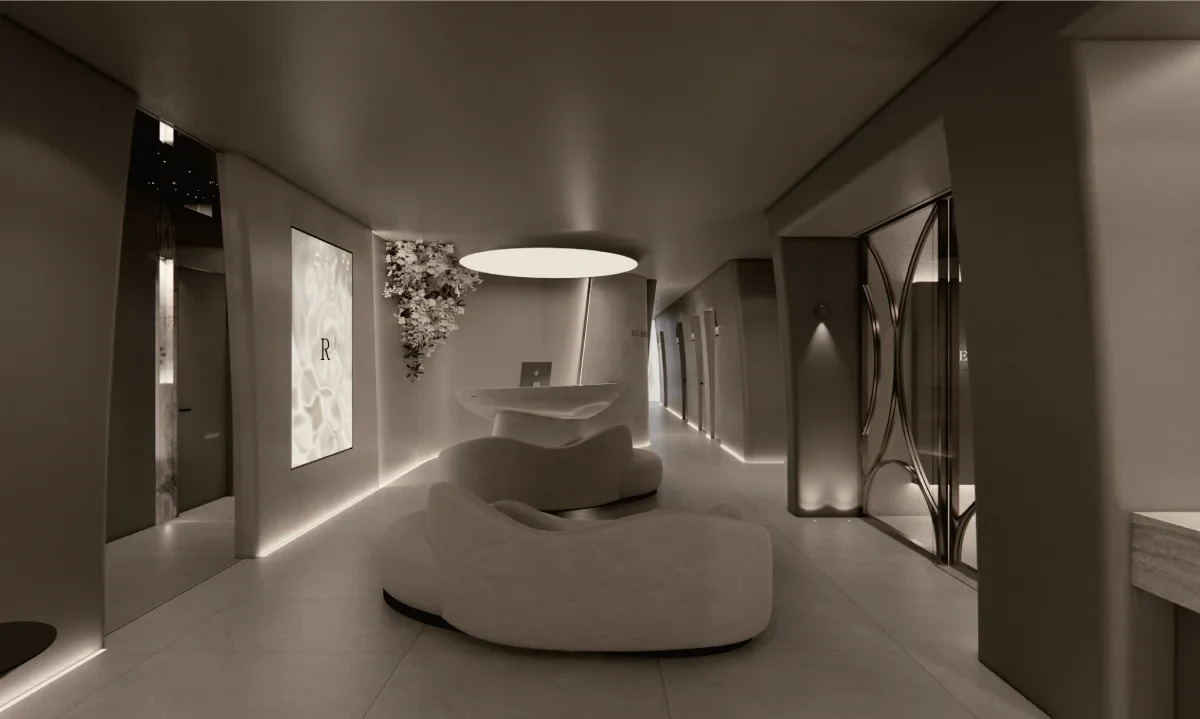
(1,322 m²)
Suites
KI Tower, Gangnam-daero
Station Exit 10
The Evidence Behind Picosecond Laser Pigment Treatment
A picosecond laser differs from older devices chiefly in pulse duration: by delivering energy in trillionths of a second, it stays below the thermal relaxation time of small pigment particles, so more of the energy converts into a photoacoustic (photomechanical) shockwave that mechanically fractures pigment, and less spreads as heat into surrounding skin. A comparative review of picosecond versus nanosecond (Q-switched) lasers describes exactly this shift toward photomechanical breakdown, which produces finer pigment fragments and, in principle, less collateral thermal injury than the primarily photothermal Q-switched approach.
Wu DC, Goldman MP, Wat H, Chan HHL. A Systematic Review of Picosecond Laser in Dermatology: Evidence and Recommendations. Lasers Surg Med. 2021;53(1):9-49. doi:10.1002/lsm.23244
For benign pigmented lesions, picosecond systems have shown effective clearance of epidermal pigment such as sun spots and freckles — one reason discrete lesions respond more predictably than diffuse or deep pigment. A prospective study using a picosecond 755 nm laser for benign pigmented lesions in Asian skin reported meaningful lesion clearance with a favorable side-effect profile, supporting the use of pico spot settings for well-defined sun spots — the epidermal target where laser pigment work is most reliable.
Chan HHL, Alam M, Kono T, Dover JS. Clinical application of picosecond lasers for pigmentation and tattoo in Asian skin. Lasers Surg Med. 2018;50(1):8-14.
Melasma is where restraint is essential. Reviews of laser and light therapy for melasma consistently frame it as a chronic, relapse-prone condition in which lasers can help but also risk aggravation and post-inflammatory hyperpigmentation, so low-fluence, conservative protocols and rigorous photoprotection are recommended in place of aggressive single treatments. This is directly why the physician at RE:BERRY Gangnam diagnoses pigment type first, keeps energy conservative on Fitzpatrick III-V skin, and frames melasma work as lightening and maintenance — a result that cannot be promised as a cure — always paired with strict daily sun protection.
Trivedi MK, Yang FC, Cho BK. A review of laser and light therapy in melasma. Int J Womens Dermatol. 2017;3(1):11-20. doi:10.1016/j.ijwd.2017.01.004
Chan HHL, Fung WKK, Ying SY, Kono T. An in vivo trial comparing the use of different types of 532 nm Nd:YAG lasers in the treatment of facial lentigines in Oriental patients. Dermatol Surg. 2000;26(8):743-749. doi:10.1046/j.1524-4725.2000.00039.x
Questions International Guests Ask About Pico Laser in Gangnam
What is a pico laser, and how is it different from other pigment lasers?
A pico (picosecond) laser fires pulses lasting trillionths of a second, so it breaks down pigment mainly through a photoacoustic shockwave, with heat playing a smaller role. That means finer pigment fragments and less thermal spread to nearby skin compared with an older Q-switched (nanosecond) laser. At RE:BERRY Gangnam it is used for sun spots, tone, and gentle Pigment Laser Toning at ₩300,000 ($214 USD).
How much is pico toning in Gangnam, Seoul in 2026?
Pigment Laser Toning is ₩300,000 ($214 USD) per session at RE:BERRY Gangnam — the regular rate, VAT included, published before you book with no add-ons. Series and spot treatments are quoted after the physician diagnoses your pigment type, so you receive one written figure per session before anything is scheduled. The pico laser page covers the treatment itself in detail.
Can a pico laser cure my melasma?
No — melasma cannot be promised as a cure. It is a chronic, easily aggravated condition, and an aggressive laser can actually darken it. A pico toning series can help lighten melasma as part of a plan, but it can recur and often needs maintenance, not a one-time fix. At RE:BERRY Gangnam melasma is treated conservatively, with low energy and strict daily sun protection, and sometimes the physician recommends starting without a laser at all.
I have darker skin — is a pico laser safe for me?
It can be, but it requires caution. On Fitzpatrick III-V skin the main risk is post-inflammatory hyperpigmentation — the skin darkening after treatment — so energy is kept conservative and sessions are gentler and more spaced out. The physician at RE:BERRY Gangnam takes your skin type and how you heal into account before recommending any mode, and may advise fewer, lighter passes over time.
How many pico laser sessions will I need?
It depends on the target. Discrete sun spots sometimes clear in one or a few spot treatments, while diffuse tone and melasma are almost always planned as a spaced series over a single pass. The physician confirms your session count after diagnosing your pigment type — the plain answer is that pigment work is usually gradual, not instant.
How far apart should pico laser sessions be spaced?
Toning and melasma sessions are spaced so your skin recovers fully between them, and the physician sets the exact interval based on how your skin responds to the previous pass. Spacing is deliberately not rushed, because treating again too soon — especially on darker or reactive skin — raises the risk of post-inflammatory pigment. At RE:BERRY Gangnam the interval is part of the written plan.
What is the difference between pico toning and a pico spot treatment?
They are two different jobs.
| Feature | Toning | Spot |
|---|---|---|
| Target | Diffuse dullness, tone, melasma | Discrete sun spots, freckles |
| Energy | Low fluence, spread over the area | Focused on the lesion |
| Result | Gradual brightening | Clearing of defined spots |
How is a pico laser different from a Q-switched laser?
The key difference is pulse duration and mechanism. A picosecond laser is so brief that it fractures pigment largely by a photoacoustic shockwave, producing finer fragments with less heat spread; a Q-switched nanosecond laser is more photothermal and breaks pigment into coarser fragments using absorbed heat. Both treat pigment; the physician at RE:BERRY Gangnam chooses based on your pigment type, depth, and skin type — never a fixed rule.
How is a pico laser different from a fractional laser mode?
A pico laser mainly targets pigment by shattering melanin, while a fractional mode places tiny columns of controlled thermal injury to resurface texture, pores, and pigment, sparing the skin between columns. Fractional work generally involves more visible healing — pinkness and flaking — whereas pico toning is gentler. They address different goals, and the physician recommends the right tool for your concern.
How does a pico laser compare with IPL for pigment?
IPL (intense pulsed light) is broadband light that heats several targets at once and is popular for surface sun damage and redness, whereas a pico laser is a single-wavelength device that fragments pigment more precisely by photoacoustic action. IPL can suit diffuse sun damage on lighter skin, but for defined pigment or cautious melasma work a laser is often chosen. The physician advises which fits your pigment and skin type.
What aftercare does a pico laser need, especially sun protection?
Sun protection is the single most important step: ultraviolet exposure re-drives pigment and can undo a whole series, so daily broad-spectrum sunscreen and sun avoidance are essential while your skin recovers. Keep the skin moisturized, avoid picking any crusts on treated spots so they lift on their own, and skip saunas and intense heat for several days. RE:BERRY Gangnam includes WhatsApp follow-up in English to guide you.
When can I fly home after a pico laser session?
A gentle toning pass has minimal downtime, so flying the same day or the next is usually fine. After a spot treatment, treated lesions may form a fine crust that lifts over one to two weeks, so plan your itinerary around that if the spots are on visible areas. Because the clinic is a 2-minute walk from Gangnam Station, sessions fit easily into a short Seoul trip — the physician advises timing at consultation.
Should I be treated by the same physician throughout, and can I ask about tattoos?
Yes — continuity matters for pigment, because safely setting each session depends on reading how your skin responded to the last one. At RE:BERRY Gangnam the physician who diagnoses your pigment plans the series, delivers each pass, and reviews your response. Picosecond lasers are also used for tattoo removal; that is planned separately after a dedicated assessment, so mention it on WhatsApp if it is a goal.
How do I book a pico laser consultation in Gangnam as a foreign visitor?
Message RE:BERRY on WhatsApp with your pigment photos in natural light and any laser or darkening history — a coordinator replies in English as soon as possible and reserves a physician slot. The clinic is reservation-only for international guests, staff interpreters cover 5 languages, and the physician diagnoses your pigment type before recommending whether a laser, and which mode, is right for you.
Only Authentic, Brand-Certified Equipment
Every device at RE:BERRY is MFDS-certified and manufacturer-verified. We never use counterfeit or grey-market equipment.


Book Your Pico Laser Consultation in Gangnam
Send your pigment photos and any laser or darkening history to RE:BERRY on WhatsApp — a coordinator replies as soon as possible, and the physician diagnoses your pigment type before recommending whether a pico laser, and which mode, fits your skin. Pigment Laser Toning is ₩300,000 ($214 USD), quotes are written before anything is scheduled, and the same physician plans, treats, and reviews your case.
Why Tens of Thousands of Foreign Patients Are Choosing This Gangnam Clinic — Business Wire, 2026-04-13
Numbers That Tell Our Story
Real procedures performed.
Brand-Authenticated Equipment & Training




Our doctors are certified by Korea's top dermatological societies





Latest from Our Instagram
Real treatments, patient reactions, and behind-the-scenes from RE:BERRY.
Tap any video for sound & fullscreen
What our patients say
Real verified reviews from our Google Business Profile
I had a really nice experience at Reberry Clinic Gangnam. I received a Hydrafacial treatment, and the whole process was very comfortable. The staff were kind and explained everything clearly, and the clinic itself felt clean and relaxing. I also loved the interior — the clinic felt very clean, elegant, and luxurious, w...
I had such an amazing experience at this clinic! The clinic itself is absolutely stunning the design is beautiful, elegant, and luxurious, and the service is truly top-notch. Everything was so well organized, and I felt very comfortable from the moment I walked in.
I had a Korean filler treatment to reduce my nasolabia...
i had a good time having the Juvelook treatment!
It was my first time in Korea, all the Doctor & team are bery helpful. Dr. Ian & cheong a lee(jenny) are really helpful.
I understand more about my skin.
The clinic is calm, welcoming.
there are many activities i didn’t expect to find in a beauty clinic; phot...
So happy to found the beauty clinic in Korea that very inclusive and Muslim friendly. They have a prayer space for muslim and they prepare a female doctor for me. The clinic is so comfortable with aesthetic design make me feel relaxed. The doctor and the staff are very professional and helpful so all of the procedure r...
As someone who has struggled with acne since middle school, I decided to stop here during a layover in Seoul and was amazed by the treatment.
Firstly, the environment is elegant and peaceful. Feels very luxurious and the treatment from staff was as such as well. Speaking of staff, they were extremely professional, car...
Book Your Personalized Consultation
Share your details and our multilingual team will contact you as soon as possible through your preferred messenger.
- ✓ Free online skin consultation with a doctor
- ✓ Personalized treatment plan & pricing
- ✓ Airport pickup available only at the Incheon Airport branch
- ✓ 5-language support (EN/ZH-CN/ZH-TW/JA/ES)
- ✓ Response as soon as possible via your preferred messenger
Science Picosecond laser pigment treatment — peer-reviewed references
Picosecond laser pigment treatment rests on a growing evidence base that distinguishes it from older nanosecond devices. A systematic review of picosecond lasers in dermatology (Wu 2021) documents the shift toward photomechanical pigment breakdown and finer fragmentation with reduced thermal spread. Clinical application studies in Asian skin (Chan 2018) support effective clearance of benign epidermal pigment such as sun spots and freckles, the targets where laser pigment work is most predictable, while comparative lentigo data (Chan 2000) informs device and wavelength selection. Crucially, melasma reviews (Trivedi 2017) frame it as a chronic, relapse-prone condition where lasers can help but also risk aggravation and post-inflammatory hyperpigmentation — so conservative, low-fluence protocols and rigorous photoprotection, not aggressive single treatments, are recommended.
- Wu DC, Goldman MP, Wat H, Chan HHL. A Systematic Review of Picosecond Laser in Dermatology: Evidence and Recommendations. Lasers Surg Med. 2021;53(1):9-49. doi:10.1002/lsm.23244
- Chan HHL, Alam M, Kono T, Dover JS. Clinical application of picosecond lasers for pigmentation and tattoo in Asian skin. Lasers Surg Med. 2018;50(1):8-14.
- Trivedi MK, Yang FC, Cho BK. A review of laser and light therapy in melasma. Int J Womens Dermatol. 2017;3(1):11-20. doi:10.1016/j.ijwd.2017.01.004
- Chan HHL, Fung WKK, Ying SY, Kono T. An in vivo trial comparing the use of different types of 532 nm Nd:YAG lasers in the treatment of facial lentigines in Oriental patients. Dermatol Surg. 2000;26(8):743-749. doi:10.1046/j.1524-4725.2000.00039.x
These references shape how pico laser care is planned at RE:BERRY's Gangnam aesthetic clinic: the treating physician diagnoses the pigment type before any laser mode is chosen; epidermal targets such as sun spots are treated with focused spot settings while diffuse tone and melasma use conservative low-fluence toning; Fitzpatrick III-V skin is treated with reduced energy to limit post-inflammatory hyperpigmentation; and every plan is paired with strict daily sun protection and grounded expectations — lightening and maintenance, never a promised cure. This information is for educational purposes only and is not medical advice.
How to Find RE:BERRY Gangnam
2 minutes from Gangnam Station Exit 10. B1–B2, KI Tower — the building with the all-black entrance you can't miss.
RE:BERRY Gangnam Aesthetic Clinic
B1–B2, KI Tower, 69-gil 8, Gangnam-daero, Seocho-gu, Seoul
서울시 서초구 강남대로69길 8, 지하1·2층 (KI타워)